
Branding for Authorpreneurs: How to Find Your Genre USP
Choosing a genre is one of the most important branding decisions an authorpreneur will make. But here’s the catch: Genre alone won’t make you stand out. You need a clear idea of what makes your stories unique.
At its core, a genre is a classification system. It categorizes stories based on their shared themes, conventions, and reader expectations. Mystery, fantasy, romance, and science fiction are more than just labels. They are signals that help readers find the experiences they are looking for.
Genre is so much more than a creative label. It defines your audience, competitors, and marketing strategies. In practical terms, genre shapes your career trajectory. However, many writers fall into a trap. They choose a genre purely for commercial reasons. The logic seems sound: Go where the demand is. But market demand alone isn’t enough to sustain an author's career.
After all, you’re not the only authorpreneur looking at the market. So, how do you stand out? Find your genre's unique selling point (USP). How do you do that? First, stop chasing “completely new.”
Originality is overrated
Stories have existed for as long as humans have been telling them. Truly original ideas are rare. But here’s the real question: Do audiences even want something completely new? Usually, they don't.
Readers and viewers gravitate toward the familiar. They want stories that echo familiar themes, emotions, and archetypes. That’s why franchises like Star Wars, the DC Universe, and Jurassic Park continue to draw huge crowds. Even when their movies lack originality, they still have a dedicated fan base.
Hollywood understands this. That’s why the industry thrives on remakes, sequels, prequels, and spin-offs. So stop worrying about being the first to do something. It's not going to happen. Instead, accept this simple truth: every story has been told before—just not by you. Your background, experiences, and worldview give your work a unique perspective. That’s where originality lives.
This is where your unique selling proposition (USP) comes into play. John Grisham, a former Mississippi lawyer, draws on his legal experience to create believable courtroom dramas. His expertise lends authority to his stories. Dan Brown built his brand on his fascination with secret societies and hidden history. His thrillers feel like intellectual treasure hunts.
Both authors operate in crowded genres. Their advantage lies in their unique perspective. Your USP works the same way. It's the lens through which you tell familiar stories.
Recommended article

Branding for Authorpreneurs: How to Choose Your Genre
The genre you write in is one of the earliest and most critical decisions you will make for your brand and your author business. It shapes your stories, influences your visual identity, and guides your overall presentation.
Understand your genre DNA
For authors, genres serve as a roadmap. They reveal what audiences expect and the elements that typically define a story. Take romance, for example. Readers expect to see emotional tension between the characters. They also expect obstacles to love. Readers also expect a satisfying resolution—a "happily ever after." Without these elements, the story no longer feels like a romance.
The next step, then, is to understand the genre in which you are writing. Recognize the secondary influences shaping your story. Once you see them clearly, you can use them deliberately instead of accidentally. This is how you create stories that feel both familiar and distinctive.
Many writers fall into the latter trap. For example, an author might set a story in a dystopian world simply because dystopian fiction is popular rather than because the setting serves the core themes of the story. Using tropes without purpose weakens the narrative.
Recommended article

Unveiling The Beyond: Paranormal, Supernatural, or Urban Fantasy
People frequently use the terms “paranormal” and “supernatural” interchangeably. However, the terms are fluid, and their usage can vary based on context and personal interpretation.
Know your tropes
Making intentional choices creates stronger stories. Begin by identifying common tropes in your genre. For example, cozy mysteries often feature unusual sleuths. Fantasy and science fiction stories often revolve around the “chosen one.” Romance novels frequently employ devices such as “enemies to lovers” or “forced proximity.” These elements exist because readers enjoy them.
Your task is not to avoid them. Rather, you should embrace, combine, or subvert them. Pay attention to metadata as well. Keywords such as “slow-burn romance” or “found family” appear repeatedly in book descriptions and on covers. These signals tell readers what kind of experience they will have.
Of course, you can subvert conventions and tropes. In fact, doing so often results in fresh, memorable stories. However, you can only break the rules once you understand them. Innovation rarely comes from abandoning the genre. It comes from approaching it from a different angle.
Another less obvious challenge involves hidden genre influences. Many writers unknowingly mix elements from multiple genres. For example, a thriller may contain strong romantic elements. A fantasy novel may rely heavily on mystery structures. When these influences clash or are unclear, readers may become confused about the story's genre. This can weaken your brand.
Analyze the competition
Once you understand your genre, study your competition. Start with three to five authors in your niche who are at a similar or slightly higher level. Their strategies are often more relevant than those of best-selling superstars. That said, newer authors can also offer useful insights. Their fresh perspectives and experiments with branding or marketing may reveal opportunities that others overlook.
Don’t limit your research to your own genre. Competitive markets, such as romance and thrillers, often set trends in reader engagement, publishing strategy, and marketing.
Also, pay attention to reader feedback. Reviews often highlight recurring strengths and weaknesses. Some authors receive praise for their pacing or world-building skills. Critics may fault others for predictable plots or weak character development. These signals reveal gaps in the market.
Recommended article

Branding for Authorpreneurs: How to Build a Brand Readers Remember
Building a personal author brand is an ongoing process that requires planning, engagement, and adaptation. As an authorpreneur, your success depends on how well you engage with your audience.
Don’t imitate, innovate
After researching your genre and studying your competition, the next step is clear: decide how you will stand out. Your goal is not to imitate others. It's differentiation.
Every genre relies on familiar tropes and conventions. Readers expect them. However, your interpretation of these elements can give your work a distinct identity. The way you frame a trope, the setting you choose, and the perspective you emphasize can become your signature.
Take romance, for example. Many LGBTQ love stories take place in large cities, small towns, or on ranches. These settings work well because readers recognize them. However, you could take the same emotional dynamics and place them somewhere unexpected, such as remote Pacific islands or secluded Alpine villages.
The core romance tropes would remain intact. What changes is the atmosphere. This shift could become part of your unique selling proposition. Combining familiar emotional beats with unusual locations, characters, or cultural perspectives can make your stories stand out while still meeting reader expectations.
Recommended article

Characters First: My Approach To Writing Speculative Fiction
As an author of speculative fiction, SK Alexander follows the principle of "characters first".
Genre mashups
As mentioned, writers sometimes blend genres unintentionally. However, you can also do so deliberately. When executed well, blending genres can make your work stand out in a crowded market.
Hybrid storytelling opens up interesting possibilities. For example, a fantasy mystery could follow a detective who solves crimes using magical clues in enchanted landscapes. Historical settings, such as the Renaissance or the American West, could give paranormal romance a fresh angle.
Other combinations go even further, such as steampunk romances, zombie pirates, cyberpunk Westerns, and urban fantasy in a post-apocalyptic world. One well-known example is Good Omens by Neil Gaiman and Terry Pratchett. This novel blends supernatural fantasy, apocalyptic prophecy, and sharp satire. Its success lies in the balance. Humor, theology, and fantasy coexist without losing narrative focus.
That balance is crucial. If you push too far outside of genre expectations, readers will lose their bearings. Innovation works best when the core elements of the genre remain recognizable. Surprise your audience, but don’t confuse them.
Recommended article
Branding for Authorpreneurs
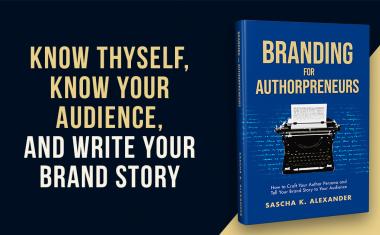
Branding for Authorpreneurs is a practical and easy-to-follow guide that empowers both emerging and established authorpreneurs to craft your author persona and write a brand story that connects with your audience.
Genre USP: Takeaways
No matter what genre you choose, study it carefully. Each reader community has its own expectations, preferences, and recurring conventions. You don’t have to follow them all. However, it’s important to understand them before deciding to challenge them.
Once you’ve chosen your genre or subgenre, the next step is differentiation. Study your competitors. Identify their strengths. Notice their patterns. Then, decide where your work fits in and how it can stand out. The objective is not imitation. Rather, it’s about positioning your books within a recognizable framework.
Some authors build their brand around a narrow niche, such as military science fiction romance. Others operate within a broader genre. For example, I write suspense thrillers under the speculative fiction umbrella— including paranormal, supernatural, (urban) fantasy, and science fiction.
The more precisely you understand your niche, the easier it becomes to establish your brand. However, the exact niche matters less than the clarity behind it. Know your genre. Understand your audience. Then, build your brand at the intersection of the two.
Sign up to my email list
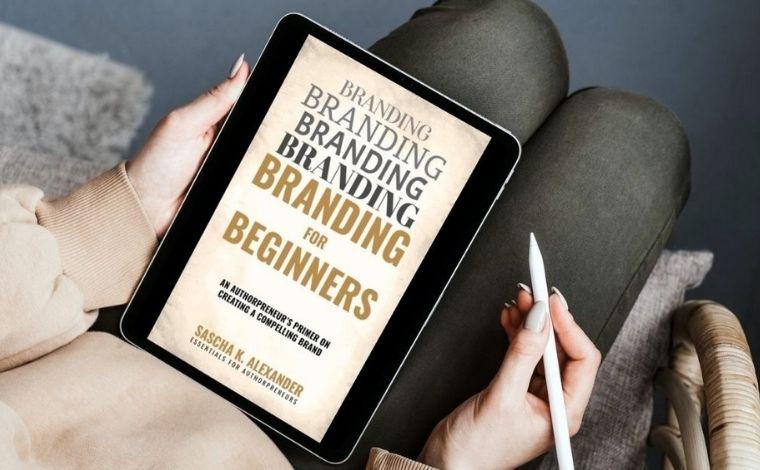
Are you ready to unlock your potential as an authorpreneur? Then sign up for my email list and get the primer, Branding for Beginners: An Authorpreneur's Primer On Creating A Compelling Brand, for free.