
Branding for Authorpreneurs: How to Choose Your Genre
The genre you write in is one of the earliest and most critical decisions you will make for your brand and your author business. It shapes your stories, influences your visual identity, and guides your overall presentation.
First, let’s discuss why genre is important for branding. A genre is a framework that categorizes works based on shared themes, conventions, and reader expectations. Therefore, your choice of genre is a strategic business decision, not just a label you tack on at the end.
When someone picks up a crime novel, romance, or How-to-book, they already know what they’re about to experience. This expectation is powerful because it shapes your cover design, blurb language, book marketing, and, ultimately, your sales.
There are several factors to consider when choosing your genre(s). Take some time to explore and gather information so you can make an informed decision.
Passion fuels perseverance
What’s your favorite genre? Fantasy? Science fiction? Thrillers? Romance? Do you know the tropes of those genres? These aren't simple questions, but they’re important to consider. Without passion, you’ll stall long before reaching the finish line.
Writing a book is not a weekend project. You draft, you revise, and you cut scenes or sections that you once loved. You rewrite entire chapters. Then you edit those again. Even when you love the story, the process can test your patience. Now, imagine doing all that in a genre you don't particularly like.
It’s genuine passion that carries you through the hard parts—and there will be hard parts. Writing block, deadlines, rewrites, self-doubt, marketing fatigue. If you don’t truly enjoy the genre you’re writing in, it will show quickly.
Moreover, passion keeps you sharp. Every genre has its own conventions and reader expectations. In crime fiction, for example, readers expect tension and resolution. In romance, readers expect an emotional payoff. Tropes such as “enemies to lovers” or the classic “happily ever after” are not clichés to be dismissed. They are signals that readers look for. In fact, they buy books because of them.
If you’re not invested in your genre, you won't keep up with trends. You won't read widely within your niche. You won't understand what readers crave right now. If you don't understand that, you won’t meet expectations—forget about making a living at it.
Recommended article

Branding for Authorpreneurs: How to Build a Brand Readers Remember
Building a personal author brand is an ongoing process that requires planning, engagement, and adaptation. As an authorpreneur, your success depends on how well you engage with your audience.
Narrow down your subgenres
While broad genres such as “Mystery,” “Romance,” or “Nonfiction” are a good starting point, they aren’t specific enough. To maximize your sales potential and truly stand out, you need to narrow it down to a subgenre.
Readers rarely browse with a vague idea in mind. They don’t just want fantasy. They want urban fantasy set in a modern city. Or perhaps epic high fantasy with sprawling kingdoms and ancient prophecies. They don’t just want thrillers, but psychological suspense, military techno-thrillers, or political espionage novels.
The same applies to non-fiction. “Nonfiction” is not a niche, but self-help, memoirs, and how-to books are. Each of those subgenres attracts a different audience with different expectations.
If you’re unsure where you fit, look at the categories and subcategories in online marketplaces or bookstores. The goal is simple: Know exactly where you belong, so your ideal readers can find you.
The clearer your subgenre, the easier your branding will be. Your cover designs will sharpen, your blurbs will address the right readers, and your marketing will no longer feel random. In other words: Specificity builds recognition, and recognition builds trust.
Recommended article

Branding for Authorpreneurs: Why Your Reputation Matters
As an authorpreneur, your personal brand is the foundation of your business. Every word, action, and interaction shapes how your audience sees you. That’s why protecting your brand reputation is essential.
Avoid over-specialization
Although you need to narrow your focus, keep in mind that narrower is not always better. It’s important not to become so specific that there’s no audience left to target. If your niche is so specific that hardly anyone searches for it, you’ve created a business problem.
Take “supernatural romance,” for example. It’s broad, but it has a large and active readership. Add a qualifier, such as “shifter,” and you’re still within a healthy market. Readers know what they’re getting. There’s demand. There’s room for multiple books.
Now, compare that to something like “Renaissance-era steampunk vampire detective stories with a dog.” Creative? Absolutely. Marketable? Maybe not on a large scale. The more layers you add, the smaller the pool becomes.
Therefore, you must strike a balance. You need to be specific enough to stand out but also broad enough to sustain a readership. This is where market awareness matters.
Recommended article

Branding for Authorpreneurs: Why Your Values Matter
When building your brand, one of the most important elements to understand is your values. Without a solid understanding of who you are, your efforts risk feeling superficial or disconnected.
Research the market
Choosing your genre involves both creativity and business acumen. Passion drives your writing, but market awareness sustains your business. Even a well-written book can get lost in a saturated category. For example, a fantasy novel filled with dragons, magic, and epic quests may be compelling, but it enters a very crowded field. Visibility becomes more difficult, and marketing costs rise (especially in Amazon or Facebook ads).
To build a long-term author brand, you must understand trends, reader behavior, and buying patterns. Writing in a popular genre allows you to tap into existing demand. Readers are already searching for what they like, which shortens the path to sales.
Writing in a smaller or emerging niche is different. Your audience may be smaller, but there also may be less competition. If you identify an underserved subniche early on, you can position yourself as a go-to author more quickly. The trade-off is scale.
Profitability matters
In general, fiction has stronger sales potential than nonfiction. Stories tend to evoke emotions or provide the escapism that readers crave, creating emotional engagement.
Some genres consistently outperform others. Crime fiction, romance, and fantasy dominate traditional publishing and the indie market. These genres attract loyal readers who actively search for new releases in their preferred categories. These readers don’t just buy books, but they may follow authors. They binge series and reward consistency.
All this means you should understand the landscape before entering it.
But how do you assess the market? Study bestseller lists on platforms such as Amazon Kindle and Apple Books. Look for patterns: Which genres dominate? Which subgenres appear repeatedly? Additionally, tools like Publisher Rocket, Circana BookScan, K-Lytics, and Publisher Rocket offer data on market size, competition, and search demand. Use this data to make informed decisions, not guesswork or instinct.
Recommended article

Branding for Authorpreneurs: Why Your “Why” Matters
Understanding your purpose shapes how you connect with readers, craft your message, and build a sustainable career.
Think beyond current trends
Once you’ve identified subgenres that match both demand and personal interest, take a step back. Ask yourself how this choice aligns with your long-term vision. Are you looking for short-term traction by capitalizing on current trends? Or do you want to establish authority in a niche and grow steadily over time?
Monitor emerging trends. Dystopian young adult fiction had its moment. Cozy mysteries set in tea shops or small-town bakeries have carved out loyal audiences. These trends often reflect shifts in cultural interests or societal issues, so recognizing them early can give you an advantage.
At the same time, be cautious. Some trends spike because of pop culture phenomena. For example, vampire romance surged after Stephenie Meyer’s Twilight series. The boom was real, but so was the decline once public interest moved on.
Science fiction is another example. For years, dystopian futures, time travel, and first-contact stories dominated. Now, climate fiction and AI-driven narratives are gaining attention as readers grapple with technological and environmental change.
Trends change, so your brand shouldn’t depend on one. Choose something that you can adapt to when the market shifts.
Recommended article
Branding for Authorpreneurs
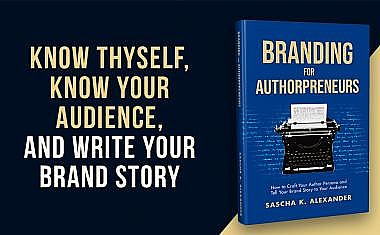
Branding for Authorpreneurs is a practical and easy-to-follow guide that empowers both emerging and established authorpreneurs to craft your author persona and write a brand story that connects with your audience.
Multiple Genres?
Have you considered writing in more than one genre? It’s possible, but it’s not a casual decision. If the genres are too different, you may need to create separate brands. Readers have expectations. For example, someone who loves your dark psychological thrillers may not be interested in your lighthearted romantic comedies. When expectations clash, trust erodes. And without trust, you lose buyers and followers.
This is why many authors use different pen names. Each name carries its own promise and brand voice or visual identity. This separation protects reader expectations and allows each brand to grow on its own terms. However, managing multiple pen names is no small feat. Each name requires its own email list, social media presence, and marketing plan, which significantly increases the workload.
There is another option, though. If your genres share a clear thematic thread, you can build a unified core brand. Perhaps your stories always explore moral dilemmas. Or maybe they focus on redemption, justice, or survival. If so, you can maintain one author persona and slightly adjust the visual elements and messaging for each niche.
How to Choose Your Genres: Takeaways
Selecting your genre is one of the most important branding decisions you will make. It’s not just about writing what you love, but your decision will also influence your audience, competition, and your marketing strategies. In short, your genre choice shapes your career trajectory.
Don’t write in a genre solely for commercial reasons. Market demand may attract you, but your passion will keep you productive. If you’re not passionate about your topic, you’ll struggle to write well and connect with your audience. You need to find a balance between what you love and what sells.
Different genres have different audience sizes, levels of competition, and marketing norms. To build a successful brand, you need to know where you’re positioning yourself. Would you rather compete in a high-demand market or build authority in a focused niche over time? There is no universal right answer. Just make sure your decision fits your purpose and goals.
So, research the market, study reader behavior, and look at what sells and why. The more informed your decision, the stronger your foundation will be.
Last but not least, you do not have to stick to one genre forever. As your career progresses, your stories may evolve and cross over into different categories. That’s fine, as long as you’re writing stories that resonate with your audience.
Sign up to my email list
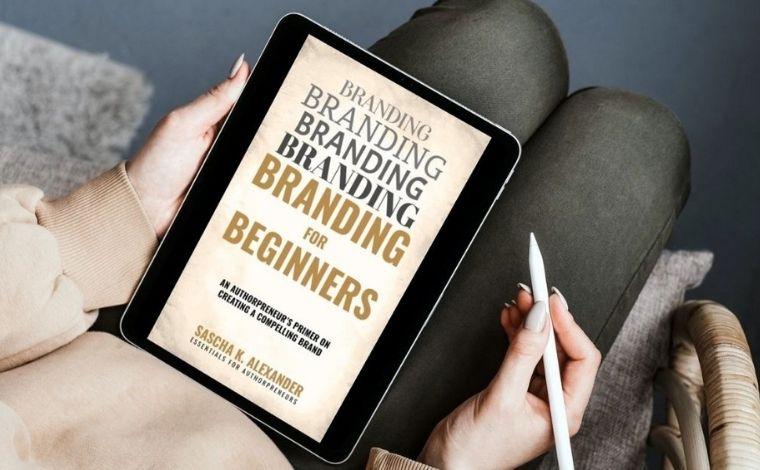
Are you ready to unlock your potential as an authorpreneur? Then sign up for my email list and get the primer, Branding for Beginners: An Authorpreneur's Primer On Creating A Compelling Brand, for free.