One Piece — Season Two Review
Netflix’s One Piece: Into the Grand Line expands its world with bigger stakes, wilder adventures, and a growing crew. Not everything lands, but its charm, action, and heart still make it a compelling voyage.
Live-action adaptations of anime are risky, and Netflix hasn’t had the best track record. Both Cowboy Bebop and Avatar: The Last Airbender failed to capture the essence of their source material. Therefore, it was even more surprising when the first season of One Piece, based on Eiichiro Oda’s iconic manga series of the same name, was so successful.
Does season two follow suit?
Silly storytelling and wacky worlds
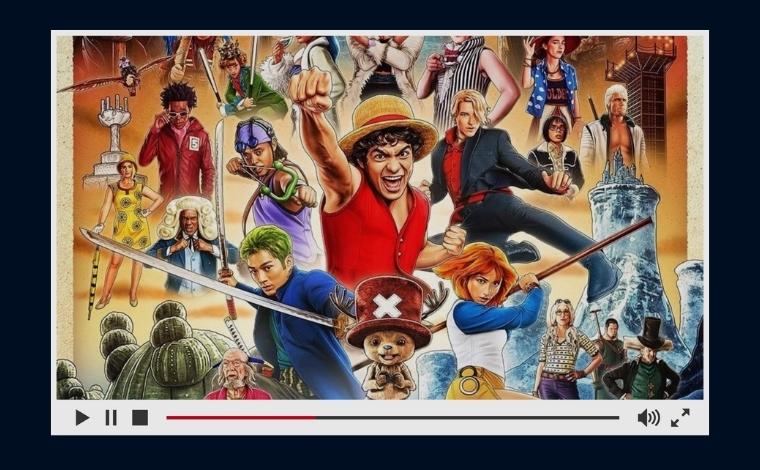
Season one condensed the first 100 or so episodes of the anime into eight fast-paced episodes, fast-tracking Monkey D. Luffy’s (Iñaki Godoy) rise to fame and the formation of his core crew aboard the Going Merry. This included the stoic swordsman Roronoa Zoro (Mackenyu Arata), the sharp-witted navigator Nami (Emily Alyn), the ever-optimistic storyteller Usopp (Jacob Romero Gibson), and the suave chef Sanji (Taz Skylar).
With the East Blue arc complete, Season two shifts into a true adventure format as the Straw Hats travel the volatile and unpredictable seas to enter the Grand Line. This is a chain of perilous islands where the legendary treasure known as the One Piece is said to be hidden. Finding it, and becoming the King of the Pirates is Luffy’s life ambition—and a goal that seems quixotic to everyone except him and his friends.
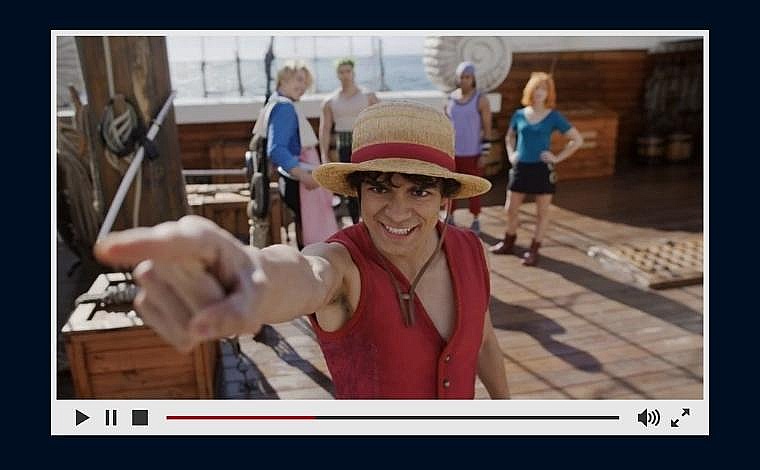
In classic adventure-of-the-week fashion, the show gives the crew plenty of opportunities to stop at prehistoric islands and winter wonderlands. Along the way, the crew clashes with Baroque Works, a covert organization of assassins, and becomes embroiled in a larger political conflict that threatens the World Government. These varied settings keep the narrative fresh, while the underlying political tensions and hints about the World Government add depth to the broader story.
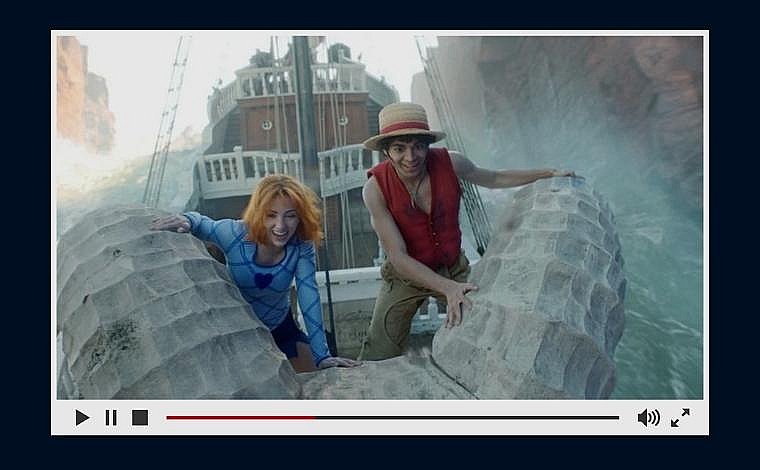
Visually, the show impresses with a blend of large practical sets—like Loguetown and Drum Island—and expansive CGI environments such as Reverse Mountain. The effects can be over the top, but that suits the world. The costume and hair designs strike a careful balance between realism and stylization. This shows especially when dealing with more unusual characters, such as the shape-shifting reindeer doctor.
Recommended article
One Piece — Review Season One
With its blend of action, humor, and heart, Netflix's live-action adaptation of the anime “One Piece” promises an extraordinary voyage filled with friendship, loyalty, and unexpected twists.
The heart of the show
The season continues to highlight the bond between the Straw Hats. Their friendship, trust, and occasional disagreements form the emotional backbone of the series. Iñaki Godoy effortlessly embodies the character’s boundless optimism and stubborn charm, even when he’s oblivious to social cues.
Taz Skylar’s Sanji and Jacob Romero Gibson’s Usopp bring warmth and humor, while Mackenyu’s Zoro and Emily Rudd’s Nami anchor the more dramatic moments. Zoro’s determination to prove himself after his defeat by Mihawk is especially compelling. Together, they create a believable dynamic that carries the show's emotional and comedic weight.
However, not everything lands equally well. While central to the story, the crew’s unwavering trust in Luffy occasionally comes across as forced rather than organic. Luffy’s character, while entertaining, remains static. He can only declare his intention to become King of the Pirates so many times before it becomes problematic.
Furthermore, his Gum-Gum abilities have not evolved. Seeing the same thing for two seasons makes it seem less creative compared to the show’s otherwise imaginative world. He has also lost several fights, and some of his victories he achieved only with outside help.
Similarly, some emotional moments feel rushed. Nami’s internal struggle about leading the crew to Gand Line in episode two resolves too quickly.
Bloated Cast?
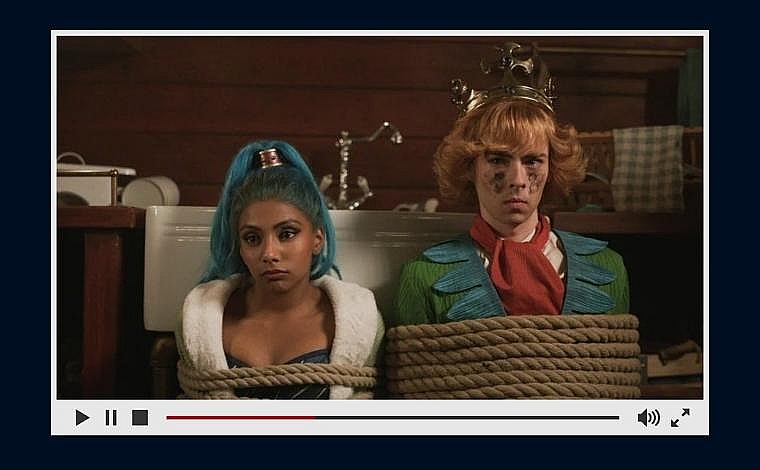
Season 2 also significantly expands the roster. Characters like Miss Wednesday and her alter ego, Nefertari Vivi (played by Charithra Chandran), as well as Tony Tony Chopper, arrive with compelling backstories. Among the antagonists, Baroque Works introduces a colorful lineup of assassins, each with eccentric personalities and distinct powers.
That said, the growing ensemble comes with trade-offs. Some episodes feel crowded, and not every character arc receives the attention it deserves. While the exaggerated designs help distinguish new faces, viewers unfamiliar with the source material may have difficulty grasping the full importance of certain characters.
Final verdict: big, messy, but still worth the voyage
I never fully connected with the manga or the anime, but the live-action series surprised me the first time around. Sure, it benefited from the timing. Season one landed during the pandemic, when an optimistic, adventurous story felt like a much-needed escape. While we’re no longer in lockdown, the world hasn’t exactly calmed down either. So, I happily lost myself in the chaotic, colorful world of Monkey D. Luffy and the Straw Hats.
A stretchy pirate captain. A swordsman who constantly gets lost. A talking reindeer doctor. Powers ranging from the absurd to the borderline grotesque. On paper, it sounds like a mess—like the anime. Yet the live-action show works.
The writers embraced the story’s inherent weirdness, particularly in their portrayal of Devil Fruit powers. Some powers are deliberately absurd, while others lean into body horror. This is an example of how the showrunners could have made the show much darker and bloodier. Yet the tone remains light without being shallow, dramatic without being heavy.
Episode titles like "Good Whale Hunting," "Whisky Business," "Wax on, Wax Off," "Nami Dearest," and "Reindeer Shames" add a layer of charm that reflects the show’s playful tone.
At its core, One Piece isn’t about spectacles or one character. The showrunners clearly state this in the season’s first episode: “Don’t you understand the lesson yet, kid? The most powerful thing in the world isn't a weapon or a devil fruit or even a dream. It's a story.”
As a storyteller myself, I couldn’t agree more with Buggy (Jeff Ward).
Sign up for the Tales from the Omniverse!
Join SK Alexander’s email list and embark on a journey through The Omniverse. You will receive updates on his author's life, special offers, and upcoming releases.
As a thank you, you'll receive a paranormal and supernatural short story.