From Myth to Sci-Fi: The Evolution of Speculative Fiction
For as long as humans have told stories, they’ve imagined worlds beyond the known. From gods and monsters to impossible futures, these tales question reality, probe human nature, and explore social fears and hopes. That restless curiosity is the foundation of speculative fiction.
The label “speculative fiction” may sound modern, but the idea behind it is actually ancient. To understand how the genre evolved into the form it has today, let’s trace speculative fiction’s historical roots through five phases.
First Phase: Ancient Speculative Fiction
The idea of speculative fiction comes from ancient mythology and folklore. Even before the genre had a name, storytellers had created new worlds and questioned what they thought they knew. In Ancient Greece, playwrights like Euripides used well-known myths to explore ideas that were strange and scary. In Medea, for example, Euripides changes the story, so that Medea kills her own children instead of having them murdered by the Corinthians.
Plato’s most famous work, The Allegory of the Cave, uses metaphor to explore perception, reality, and the limits of human knowledge. These stories don’t look like modern science fiction—they don’t have futuristic machines or alien worlds. Yet they share the same idea: a desire to question what is real and what lies beyond the surface.
In the 2nd century CE, Lucian of Samosata used made-up stories about imaginary journeys and strange beings to criticize society and belief systems. In True History, Lucian describes a voyage to the moon full of strange creatures and landscapes that feel familiar to modern science fiction readers.
Recommended article
Speculative Fiction: A Genre of Imagination, Fear, and Hope
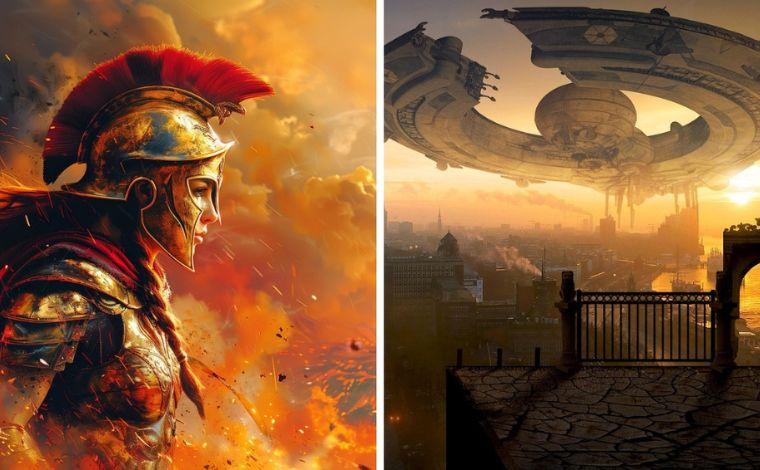
Speculative fiction encompasses a wide range of subgenres, each with its own unique conventions. From myths to dystopias, it has always ventured beyond the ordinary to explore “what if” scenarios.
Second Phase: Medieval Mysticism to the Enlightenment
As storytelling moved to the medieval era, it became more playful. William Shakespeare's A Midsummer Night’s Dream (1600) effortlessly blends the human world with Fairyland, where time bends, logic dissolves, and reality follows its own rules.
Margaret Cavendish's The Blazing World (1666) depicts a door to another world at the North Pole. Her work is remarkable for its imagination and for its combination of philosophy, politics, and science into a fully realized alternate world.
The Enlightenment era brought about a new way of thinking about storytelling. Thinkers such as Francis Bacon championed empirical observation and the systematic exploration of nature. Writers followed suit, weaving emerging scientific ideas into their fiction while still leaving room for wonder.
Johannes Kepler’s Somnium (1634) is a great example of this. The story is like a dream about going to the moon, and it's based on his research about space. As such, it blends science and imagination, showing what would later become science fiction.
At the same time, satire became a powerful speculative tool. In Gulliver’s Travels, Jonathan Swift used fantastical lands and exaggerated societies to expose uncomfortable truths about politics, religion, and human folly.
Third Phase: The Birth of Modern Speculative Fiction
The 19th century set strong standards for how stories are told, the ideas they explore, and how imaginative they are. Stories weren’t just for fun anymore, but became a way to talk about social change, technology, and the hidden parts of the human mind.
For example, Mary Shelley’s Frankenstein (1818) combines the scary stories of the Gothic era with the new scientific fears and the worries of the Industrial Revolution. Her novel explores ideas about creation, responsibility, and hubris, and it suggests that people could create life itself from death. This was the start of modern science fiction.
Fascinated by death, madness, and the unknowable, Edgar Allan Poe pioneered psychological horror. Stories like The Tell-Tale Heart explore feelings of guilt and paranoia, while The Fall of the House of Usher evokes decay and looming catastrophe.
Moreover, writers imagined futures shaped by science and power. Jules Verne envisioned submarines and space travel long before they existed. H. G. Wells warned of atomic energy and criticized imperialism. These authors transformed speculative fiction into a genre that asks hard questions about progress, fear, and humanity itself.
Recommended article
Supernatural Fiction: A Guide to Otherworldly Tales
Whether it’s haunted houses, cursed objects, or encounters with angels and demons, supernatural fiction blurs the line between reality and the unknown.
Fourth Phase: The 20th Century
Rapid technological change and shifting global powers shaped the early 20th century. Machines became faster, smarter and increasingly present in everyday life. In response, writers imagined thinking robots, space travel, and technology-transformed worlds. The stories evoked both positive and negative emotions, showing the public's ambivalent views on advancement.
Pulp magazines like Amazing Stories made these speculative tales affordable and accessible. They featured bold adventures, larger-than-life heroes, alien worlds, and mechanical threats. The writing was fast-paced, imaginative, and unapologetically entertaining. For many readers, this was their first sustained exposure to science fiction.
By the 1960s, science fiction had entered its New Wave phase. Writers moved beyond gadgets and spectacle to focus on language, psychology, and social critique. Ursula K. Le Guin explored culture, identity, and morality through richly imagined worlds. Philip K. Dick blurred the line between reality and illusion. Using themes of paranoia and fractured perception, he raised unsettling questions about what it means to be human. Science fiction became a mirror for the present, not just about the future. These works addressed ideas that remain relevant today, such as government control, loss of personal freedom, and the abuse of power.
Recommended article

Puzzling Phenomena: A Guide To Paranormal Fiction
Psychic powers, odd occurrences, and cryptic creatures—paranormal fiction pushes beyond the boundaries of the known to delve into the unexplained.
Fifth Phase: Contemporary Speculative Fiction
Globalization has broadened the scope of speculative fiction. Voices from different cultures now influence the genre in noticeable and enduring ways. Writers draw on myths, histories, and belief systems that rarely appeared in earlier, Western-centric narratives. The result is fiction that feels both familiar and new, offering alternative perspectives on identity, power, and belonging. These stories don’t replace old themes but reframe them.
Contemporary speculative fiction is also defined by speed. Technology is evolving faster than ever before, and the genre is keeping pace by asking uncomfortable questions about where this rapid evolution is leading us. Digital realities, artificial intelligence, and virtual identities are part of daily life, and fiction reflects this shift with urgency and precision.
At the same time, climate anxiety has become a dominant force in modern storytelling. Post-apocalyptic landscapes, ecological collapse, and survival narratives explore the consequences of environmental neglect. These worlds feel unsettling because they no longer seem impossible, but feel closer than ever.
Recommended article

Curio Fiction: A Fantasy Subgenre
Ever heard of curio fiction? Coined by author Diane Callahan, this term defines a unique fantasy genre. Here are its defining features and tropes.
Evolution of Speculative Fiction Takeaways
While what we call “speculative fiction” has evolved, the genre’s purpose has remained remarkably consistent. It pushes beyond the limits of the present, asking hard questions about meaning, responsibility, and possibility. Speculative fiction doesn't predict the future with certainty. Rather, it invites us to critically consider the paths we’re on and where they might lead if we don’t change course.
This constant evolution is why speculative fiction remains so relevant. The genre adapts as the world shifts. New technologies, such as artificial intelligence, reshape its themes. Global challenges, such as climate change, redefine its stakes. Expanding cultural perspectives broaden its voice and scope.
Buy Eclipse of Avarice
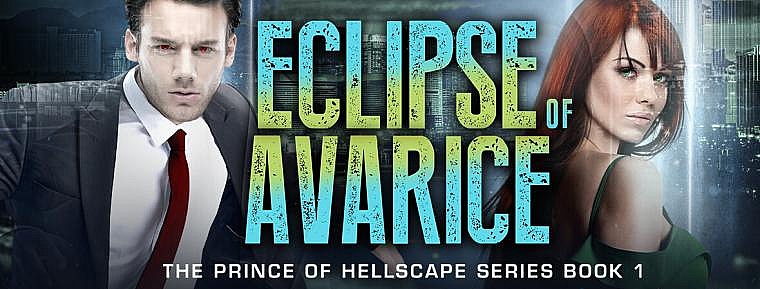
In Eclipse of Avarice, morally complex characters meet otherworldly forces and organized crime in gritty urban environments. In the supernatural suspense thriller, Luminael Morningstar and the daemona Crowley have settled in Las Vegas.
As the Antichrist and his companion carve a new life amongst the mortals in Sin City, a diabolical plot shatters their peace. Can they survive—or will they fall prey to an enemy driven by insatiable greed?
Click the button and find out!